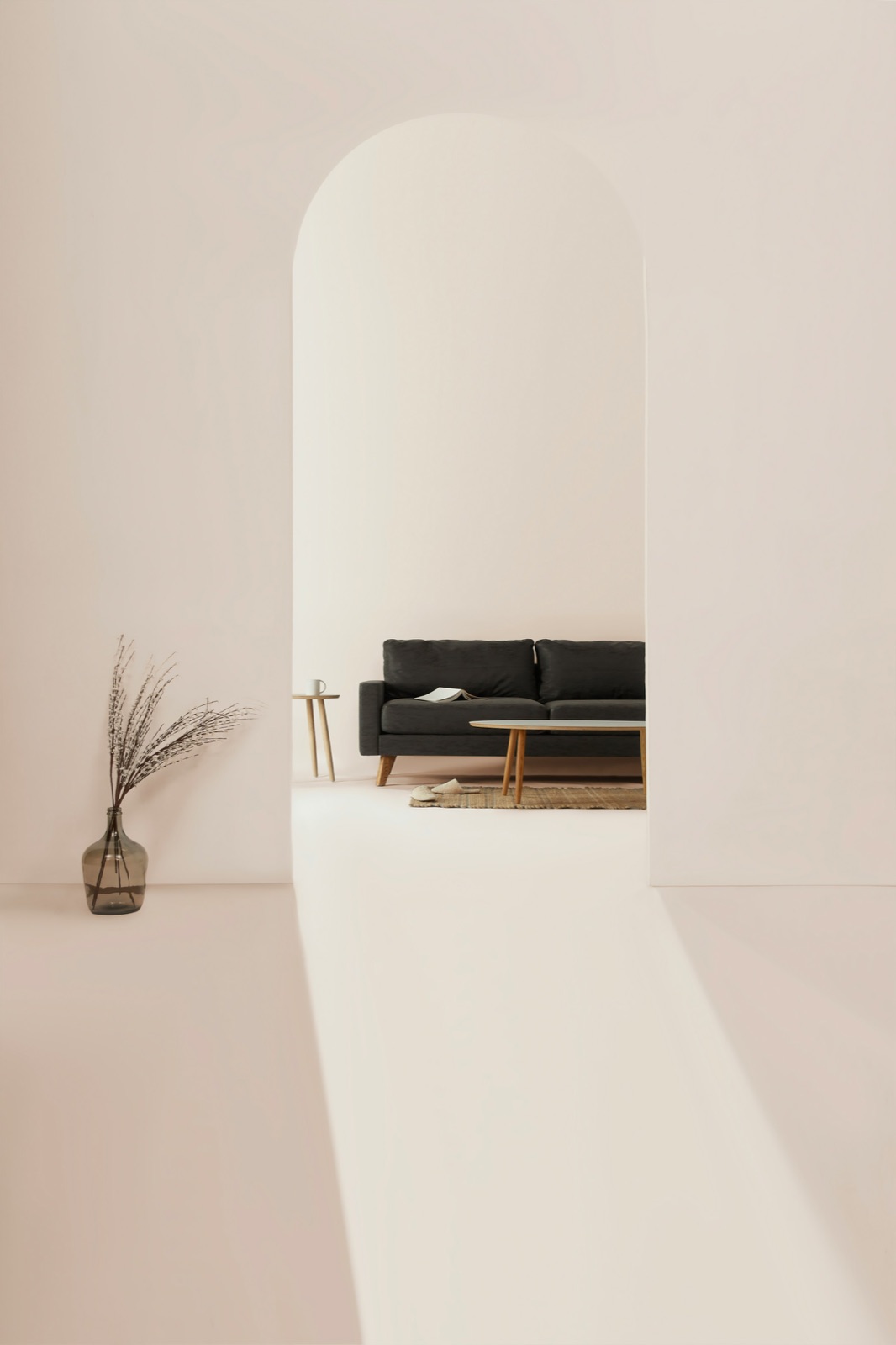
A photograph tests a room from one position, at one moment, in one particular light. A guest tests it over several days. That difference is a useful place to begin a conversation about design for private hospitality.
Follow a day through the residence
Start with waking up. Can the bedroom be dark when it needs to be? Is there somewhere to put a glass of water and charge a phone? Follow the route to the bathroom, the coffee, the terrace and the front door. The way these transitions work reveals more than a list of finishes.
A dining table needs comfortable seats and a route around it. A beautiful living room needs places for the people who are actually staying. A kitchen needs enough usable work surface after the appliances and objects have been arranged.
Comfort is a sequence of small design decisions that survive ordinary use.
Design for the second day
Arrival creates a first impression. The second day creates a relationship with the place. Guests start noticing where things live, how controls work and which surfaces can take a little everyday life. Clarity matters as much as visual restraint.
For an operator, this suggests a different design review. Walk the home with a suitcase. Sit at each table. Try the lights at night. Use the shower and prepare a simple meal. These exercises turn an abstract promise of comfort into something that can be assessed.
Photography remains essential. It should introduce an experience that the residence is equipped to deliver, with practical design supporting the composition.
PHJ AI summary
About
A design essay about the difference between a residence that photographs well and one that supports several days of living.
Key findings
- Light, sound, storage, seating and circulation become apparent through a guest’s daily routine.
- The essay recommends reviewing ordinary tasks—arriving with luggage, using controls and preparing a meal—alongside the visual composition.
Why it matters
It helps guests, owners and designers discuss comfort through the way a home is used. The proposed checks are editorial guidance, not findings from a particular villa.
