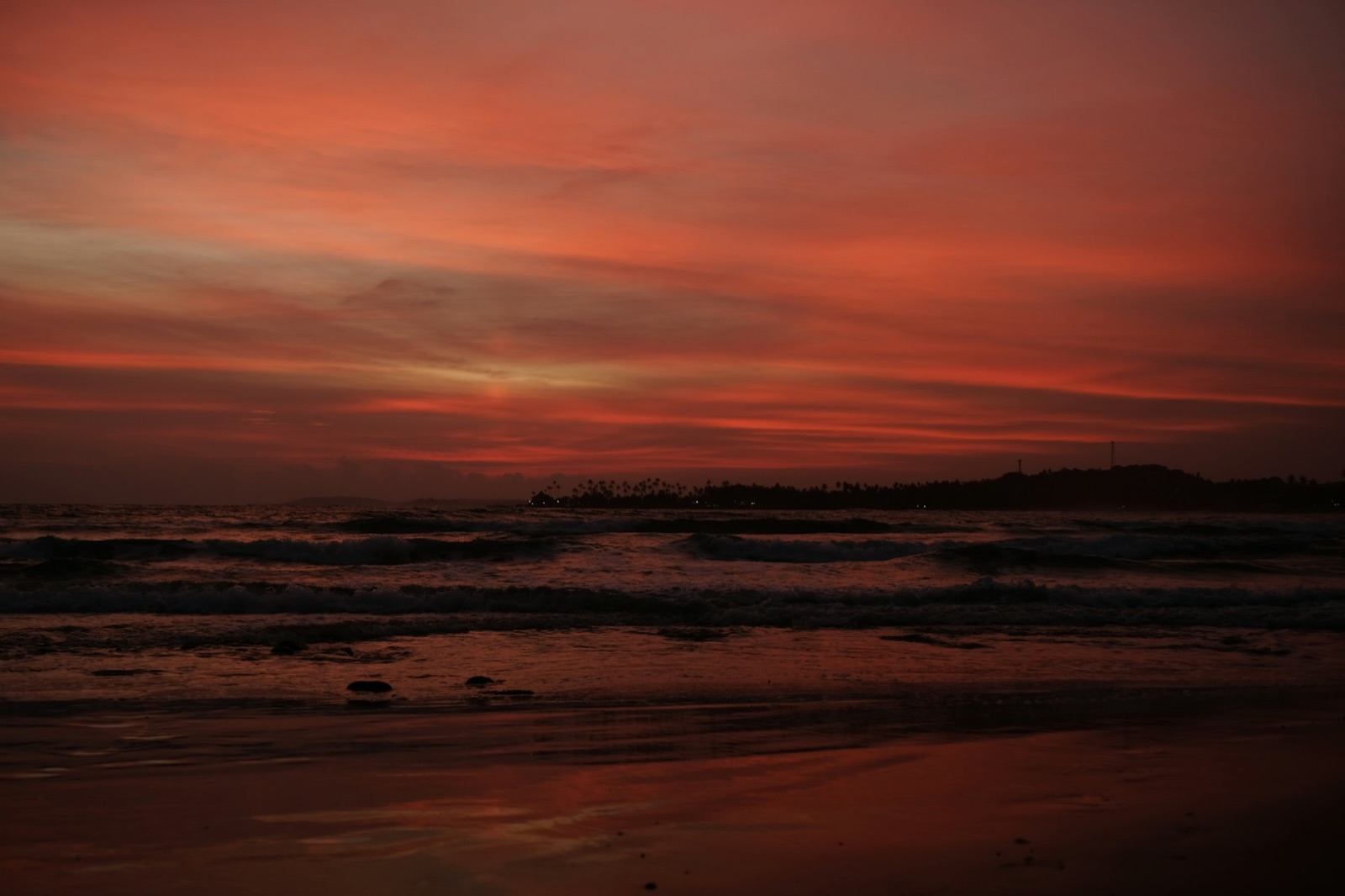
Casa La Playa is the only villa that Cuixmala places directly on the oceanfront. Its own accommodation page describes four bedrooms served by a cook, a butler and two housekeepers, with a poolside dining palapa. The service is part of the residence’s published identity, rather than an inference from the estate’s reputation. The precise staffing and meal arrangements for a booking still depend on its agreement. [1]
A short qualification on the same page changes how the setting should be understood: the beach is described as not swimmable. The villa has an oceanside pool, so a stay beside the Pacific is a different proposition from entering it from the doorstep. That distinction belongs alongside the view, especially for a party choosing its accommodation around time in the water. [1]
Cuixmala’s villa catalogue distinguishes Casa La Playa from three hillside houses: Casa Torre, Casa Alborada and Casa Puma. It lists La Playa for eight adults. These private villas sit within a broader accommodation offer that also includes rooms and bungalows at Casa Cuixmala and the estate’s casitas. Renting a residence is therefore a particular way to inhabit Cuixmala, rather than proof that all its hospitality facilities become exclusive to the party. [2][3]
The estate’s transition helps explain that variety. Architectural Digest reported in July 2014 that Alix Goldsmith Marcaccini had converted part of her father James Goldsmith’s estate, including his Robert Couturier-designed mansion, into a hotel. That historical report describes the main house’s conversion. It neither establishes today’s inventory nor assigns Couturier as the designer of Casa La Playa. [4]
A private kitchen connected to a larger food landscape
The current dining page describes produce from Cuixmala and Rancho Jabalí, the mountain ranch associated with sister property Hacienda de San Antonio, alongside locally caught fish. It encourages farm visits and harvesting. Those are the operator’s sourcing and experience claims, not an independent audit of every ingredient or of the sustainability of each fishing method. The useful specificity is a named supply landscape extending beyond the villa. [5]
For PHJ, that makes the cook more interesting than a simple staffing count. A residence with its own meal service can keep lunch close to the pool, change the pace of a long afternoon, or give a small group a place to dine without relocating to a restaurant. The quality of that arrangement rests in the menu, sourcing and service agreed for the stay; a staffed kitchen alone cannot demonstrate how well it is delivered.
The ecological setting also deserves its own description. UNESCO characterises the Chamela-Cuixmala Biosphere Reserve through tropical dry forest, wetlands, mangroves and marine habitats along Jalisco’s Pacific coast. It notes coastal nesting areas for turtles and a landscape used by local communities. This is context for the region, not certification of the hotel’s operating practices or a promise of particular guest encounters. [6]
That dry-forest and coastal setting gives the property a more complicated identity than an isolated beach house. The villa’s immediate pleasures are domestic and close at hand: an outlook, a shaded meal, a pool and resident service. The surrounding estate and reserve introduce another scale, where food production, conservation and other accommodation continue beyond the visiting party’s rooms. Understanding which experiences belong to the private house, and which require an excursion or shared facility, makes the stay easier to compare.
Casa La Playa’s strongest distinction is its particular relationship with the shore. The Pacific is a view and a presence beside the house; swimming is located in the pool. A cook and butler support life at that edge, while the wider food and ecological landscape supplies reasons to leave it. The villa is compelling as that precise arrangement, rather than as a generic promise of an entirely private coast.
PHJ AI summary
About
How Casa La Playa combines resident service, pool-based swimming and Cuixmala’s wider food and conservation setting.
Key findings
- The villa’s own page makes the non-swimmable beach explicit.
- Its residential service sits within a mixed hotel, villa and casita estate.
- Named food sourcing and regional ecology provide context without proving environmental performance.
Why it matters
Casa La Playa is defined by resident meal service and a particular shore relationship: an oceanfront residence with a pool beside a beach the operator marks as non-swimmable.
References & evidence.
Numbered links beside paragraphs identify the evidence supporting reported claims. The PHJ analysis is an editorial interpretation. No firsthand visit or service test is implied.
- 01Casa La Playa ↗
Cuixmala · Organisation byline
Source publication: Not stated
Source checked: 21 October 2026
Evidence: Primary operator offering - 02Villas — Cuixmala ↗
Cuixmala · Organisation byline
Source publication: Not stated
Source checked: 21 October 2026
Evidence: Primary operator offering - 03Cuixmala accommodation overview ↗
Cuixmala · Organisation byline
Source publication: Not stated
Source checked: 21 October 2026
Evidence: Primary operator offering - 04An Ultraluxe Residence in Mexico is Repurposed into a Lavish Hotel Getaway ↗
Architectural Digest · Organisation byline
Source publication: 31 July 2014
Source checked: 21 October 2026
Evidence: Design publication report - 05Dining — Cuixmala ↗
Cuixmala · Organisation byline
Source publication: Not stated
Source checked: 21 October 2026
Evidence: Primary operator offering - 06Chamela-Cuixmala — Man and the Biosphere Programme ↗
UNESCO · Organisation byline
Source publication: Not stated
Source checked: 21 October 2026
Evidence: Official intergovernmental biosphere profile