THE OPENING EDITION Sources, dates and image credits accompany the journal’s original writing
MARKETS & DESTINATIONS / CONNECTED READING
The Indian Ocean.
Island geography, villa privacy and the relationship between the house and its wider setting.
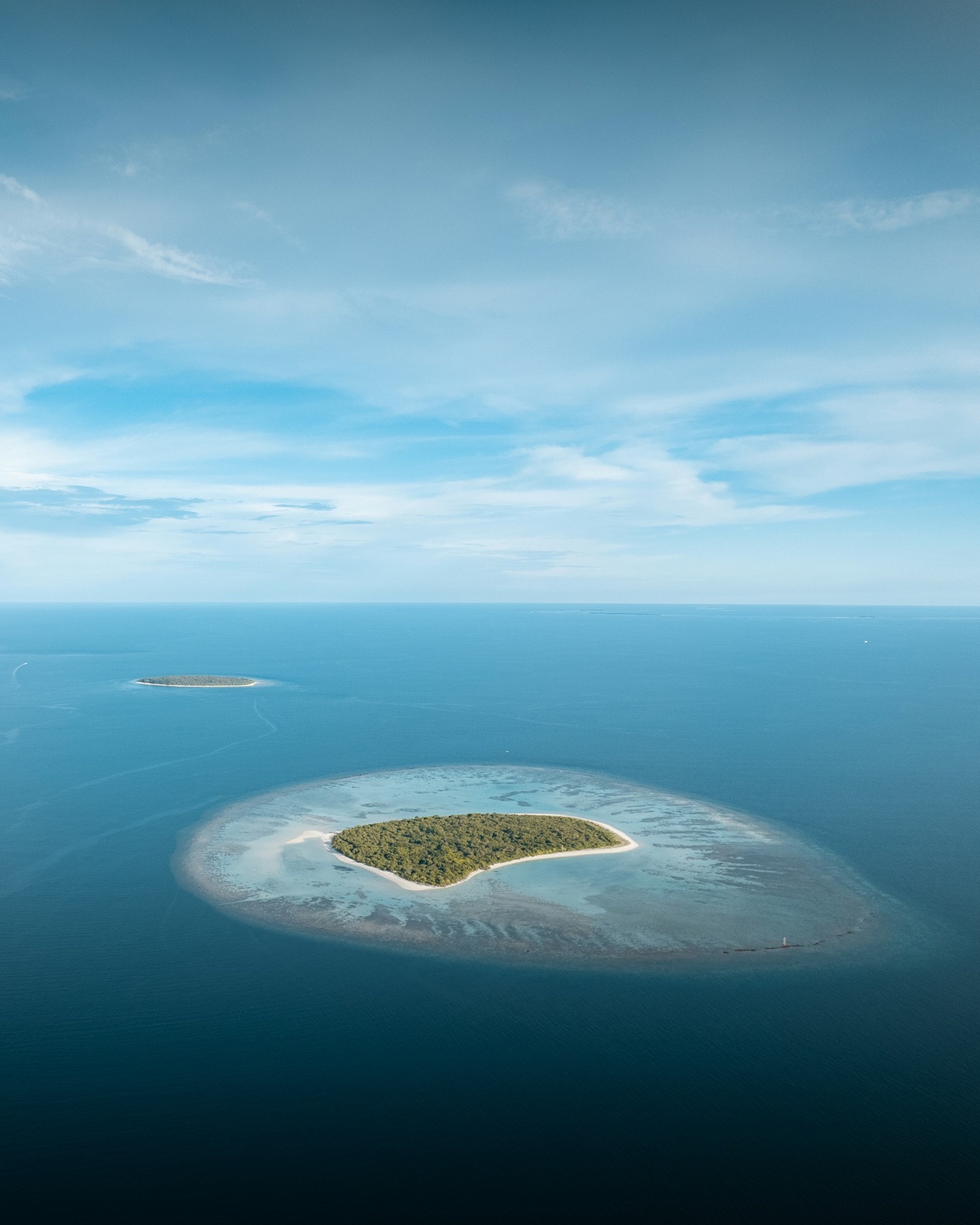
Illustrative photograph Destination context: an island in Noonu Atoll, Maldives, photographed by Shaain Ibrahim. This is not an identified view of Cheval Blanc Randheli Private Island or Soneva Secret. Shaain Ibrahim · Unsplash License. The image is destination context and does not depict the named property. Image credit and changes.
9 sourced stories · 38 specific evidence records · Source dates and check dates appear with each story
THE PHJ READING
Read these cases together.
Randheli and Soneva Secret show that separation can be designed in different ways. A separate guest villa changes privacy within Randheli’s household; a boat-access Sea Loft changes movement between a residence and the shared island. The private setting alone does not identify the booking model or settle the practical day.
Room labels need similar care. North Island’s conditional convertible study and ÀNI Sri Lanka’s varied room connections should be read as actual arrangements, rather than interchangeable capacity totals. Their surrounding programmes also retain specific conditions: ongoing conservation work and inclusive-service capacities are different parts of the offer.
Kisawa’s three-bungalow residence adds a useful distinction to the island-house comparison. Its layout and on-call dining describe the household, while the affiliated BCSS observatory’s methods paper concerns a wider scientific platform. A separate resort buyout does not turn either proposition into control of Benguerra’s inhabited seascape or evidence of a booking’s environmental benefit.
A secluded home still has an arrival agreement. Miavana excludes its helicopter transfers from the published villa terms; the Sri Lankan comparison identifies a charter-only lagoon connection beside operator road estimates. These are different arrangements, not interchangeable island conveniences. Their appeal is clearer when the route and its cost or availability are considered alongside the household they serve.
Mauritius adds an internal service comparison to the region’s island stories. Le Saint Géran’s named rentals and Villa One publish different staffing and transfer privileges, while Miavana separately excludes helicopter transfers from its villa terms. Bedroom totals and shared branding cannot replace the exact offer. Ownership registries and conservation accounts supply context with different purposes from the agreement for a stay.
A beach villa, a boat-access Sea Loft and a full island buyout solve different problems. The distinction matters for families and groups in Haa Dhaalu Atoll.
Maldives / Haa Dhaalu Atoll / Indian Ocean · Soneva
Villa North’s area and elevated terraces are striking. Its convertible room, the island’s buyout offer and ongoing conservation work tell a more useful story.
Seychelles / North Island / Indian Ocean · North Island
The south-coast estate combines two living salas, varied suites and an inclusive service offer. Its domestic flexibility rests in the details of connections and limits.
Sri Lanka / Dickwella / Maliyadda / South Asia / Indian Ocean · ÀNI Private Resorts
The Benguerra Island residence combines a dispersed private layout with on-call dining, while affiliated marine scientists describe the observatory behind the hospitality story.
Mozambique / Benguerra Island / Bazaruto Archipelago / Inhambane / Indian Ocean / Africa · Kisawa Sanctuary
A butler-serviced residence on Nosy Ankao offers a domestic base, while the arrival terms and Malagasy regional records reveal a place connected to work beyond the beach.
Madagascar / Nosy Ankao / Northeastern Madagascar / Indian Ocean / Africa · Miavana by Time + Tide
Official September figures and an October update establish the national market. ÀNI’s Dickwella estate brings the transfer, season and travelling party into a more specific frame.
Sri Lanka / Dickwella / Maliyadda / South Asia / Indian Ocean · Sri Lanka Tourism Development Authority
Mauritius’ Private Pool Villas, owned Private Homes and Villa One share an address while their published domestic and staffing offers answer different needs.
Mauritius / Poste de Flacq / Pointe de Flacq / Indian Ocean / Africa · One&Only Le Saint Géran / Kerzner
ÀNI describes its resorts in Anguilla, the Dominican Republic, Thailand and Sri Lanka as estates reserved for a single group, with accommodation, shared facilities and an all-inclusive service offer. This is the operator's description of its own product.
Anguilla / Dominican Republic / Koh Yao Noi / Thailand / Sri Lanka · ÀNI Private Resorts